– Neutral
Impact
88 · High
Putin signs Russia's first comprehensive cryptocurrency law, legalizing trading but prohibiting payments
Decrypt · Aug 6, 08:49 PMView original ↗
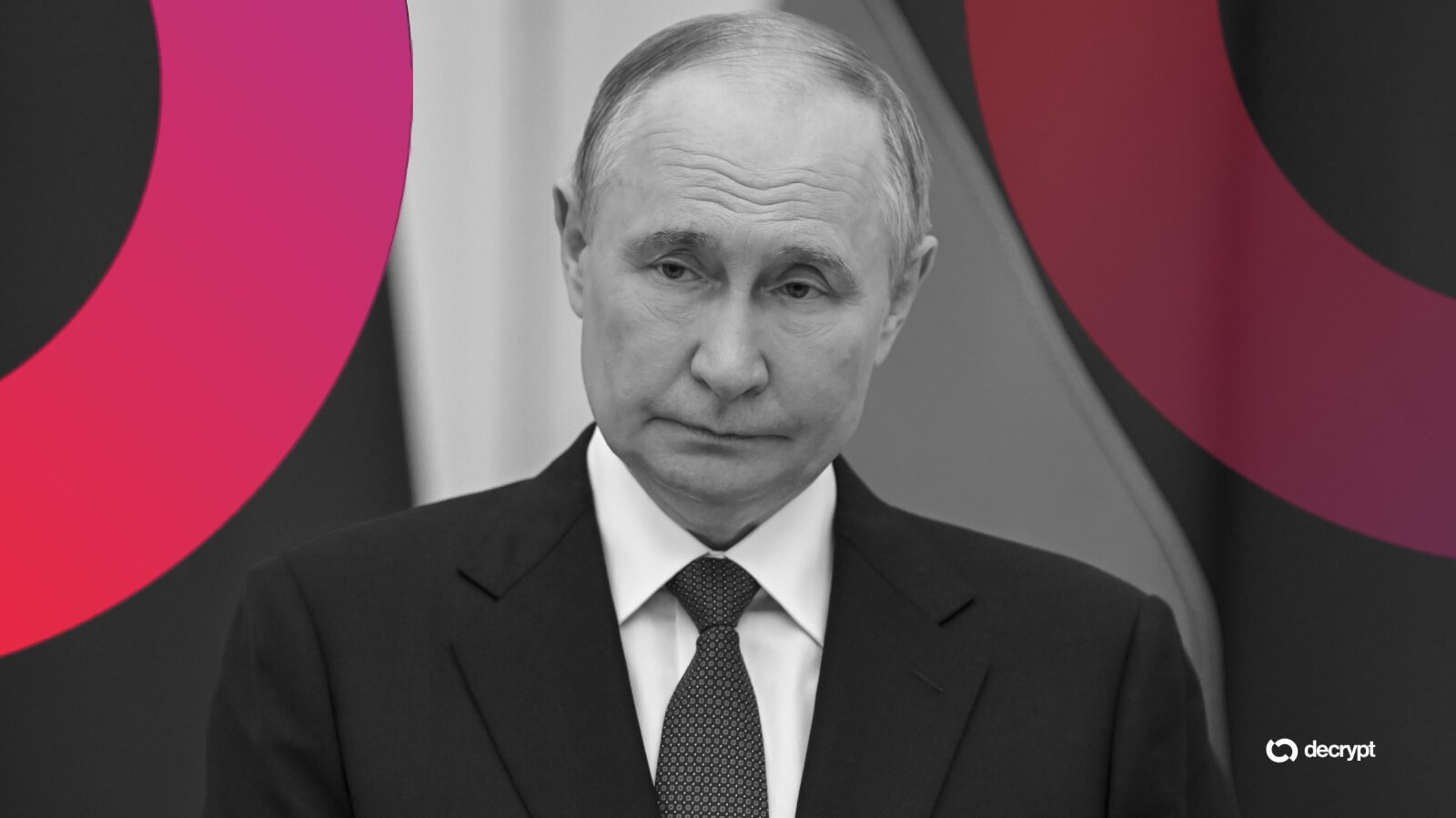
Vladimir Putin, the President of Russia, has signed the country's first comprehensive digital asset law, encompassing cryptocurrency exchanges, custodians, brokers, and clearing houses. This was reported by the Russian state news agency TASS, and the law integrates the issuance, storage, accounting, and trading of digital assets under a single legal framework.
Russia legalized cryptocurrency mining in 2024 through a separate law, and this new law addresses the gaps in trading and custody that the previous law left unaddressed. Starting July 1, 2027, only companies registered in a special government registry will be allowed to operate exchanges, with a grace period provided for existing businesses to register. Registered exchanges must have a minimum of 15 million rubles (approximately $187,000) in equity and must be members of the self-regulatory organization for financial markets. Exchanges with monthly trading volumes exceeding 35 million rubles will be classified as formal exchanges, and banks and foreign financial institutions must refuse to process fund transfers that appear to be from unregistered entities.
Access for retail investors is strictly limited. Non-accredited investors can purchase a maximum of 300,000 rubles per exchange per year through licensed intermediaries, and only in highly liquid cryptocurrencies (the list of which will be published later). Both accredited and non-accredited investors must pass a knowledge test, but there are no purchase limits for accredited investors. The law also guarantees the right to legal recourse for cryptocurrency holders, regardless of whether they have declared their assets.
The use of cryptocurrencies as a means of payment for goods and services remains prohibited, and advertising that promotes cryptocurrency payments is also banned. Most of the provisions of the law will come into effect on September 1, which coincides with the planned introduction of the digital ruble, as requested by the Central Bank.
Exceptions are made for payments between residents and non-residents related to foreign trade contracts, transactions involving mining coins, and internal transactions within digital asset platforms. Analysts suggest that Western regulatory authorities are likely to view these exceptions as a potential channel for Russia to use cryptocurrencies in cross-border trade, despite Western sanctions. This law provides legal status and licensed trading venues for Russian entities, while simultaneously establishing a regulated framework that the Central Bank can oversee.
This is an AI summary. Read the full article at the source.