▼ Bear
Impact
82 · High
United States imposes additional sanctions on two cryptocurrency exchanges linked to Iran
USDT
CoinDesk · Aug 7, 08:46 PMView original ↗
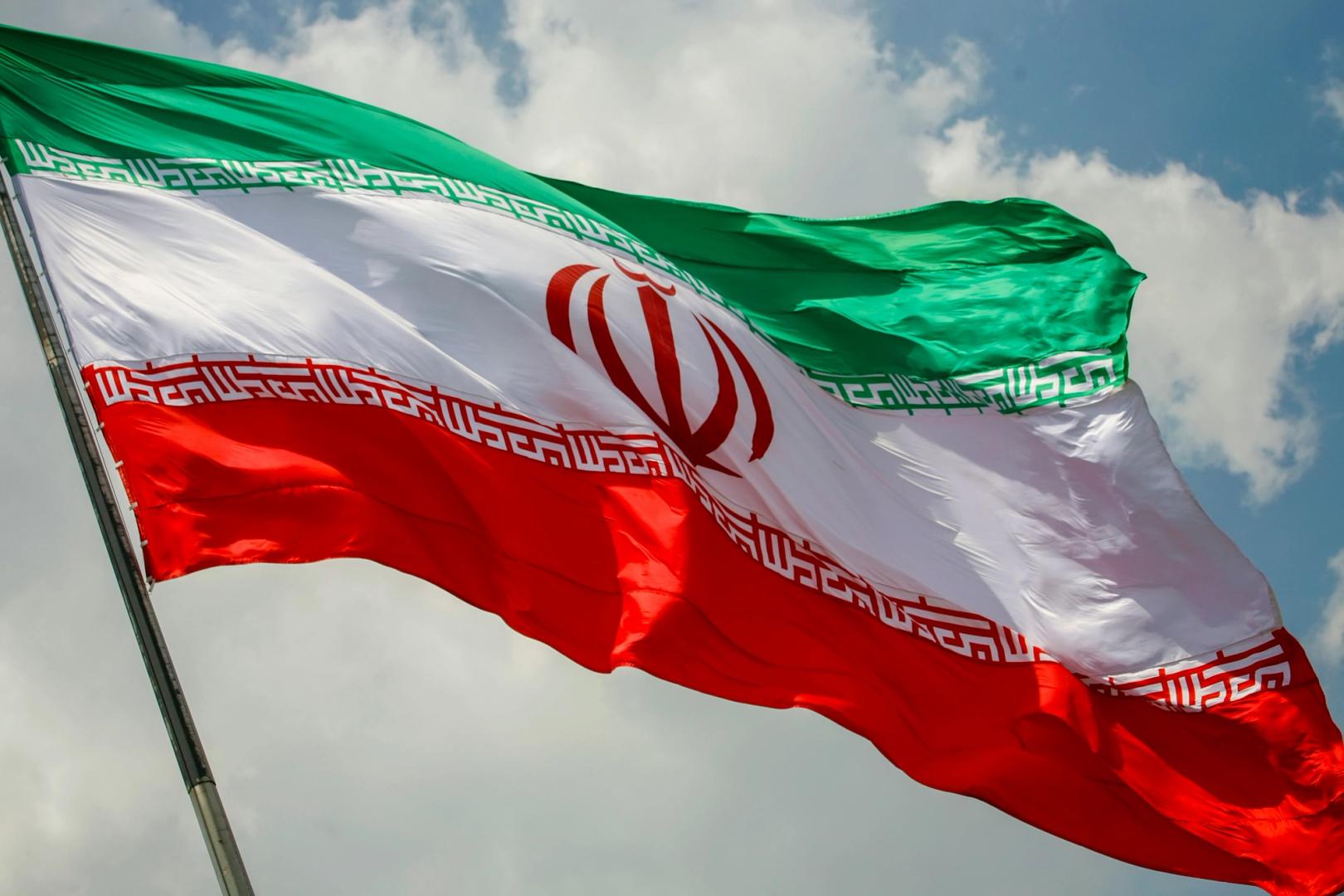
The U.S. Department of the Treasury's Office of Foreign Assets Control (OFAC) has officially sanctioned Shelbit Exchange, a cryptocurrency exchange that facilitated the movement of funds and helped Iran evade sanctions, as well as Aban Tether, an Iran-based entity. Simultaneously, individuals named Seyyabashi Keyvanpour, who has entities registered in Georgia, Poland, and the United Arab Emirates, and their associated companies have also been added to the sanctions list.
According to OFAC's announcement, over $1 million in cryptocurrency was transferred from wallets linked to the Iranian Revolutionary Guard Corps (IRGC) to Shelbit addresses, and conversely, over $2 million was transferred from Shelbit addresses to IRGC wallets. Wallets owned or controlled by Keyvanpour transferred over $2 million to Nobitex, Iran's largest cryptocurrency exchange. Aban Tether was found to have processed transactions worth millions of dollars, including those involving Nobitex, Wallex, Bitfin, and Ramjinex, all of which are already subject to sanctions.
This action is the latest in a series of U.S. sanctions targeting Iran's cryptocurrency financial network. In January, Zedcex and Zedxion, cryptocurrency exchanges specifically designated for sanctions related to Iran, were sanctioned. In June, Nobitex and several other Iranian cryptocurrency exchanges were added to the sanctions list. Last month, four cryptocurrency wallets linked to the Central Bank of Iran were sanctioned, and subsequently, Tether, the issuer of the largest stablecoin USDT, reportedly took related measures.
OFAC also sanctioned a network consisting of foreign exchange houses, shell corporations, and individuals, which is alleged to have moved billions of dollars, including funds from overseas oil sales, through Iran's shadow financial system. In a statement, Treasury Secretary Scott Benson said, "The Iranian regime's reliance on digital assets and shadow financial networks is evidence that our 'economic pressure' strategy is working." He added, "Whether it's dollars, rials, or cryptocurrencies, the Treasury Department will track down and dismantle illegal financial networks that support the regime."
Amid escalating tensions between the United States and Iran, these sanctions reaffirm concerns that cryptocurrency can be used as a means to circumvent sanctions against targeted countries. At the same time, they highlight the fact that blockchain's public transaction records provide investigative and analytical firms with tools for tracking and analysis. As a result of this campaign, cryptocurrency exchanges and stablecoin issuers are facing increasing pressure to identify funds linked to Iran and prevent sanctioned entities from moving them.
This is an AI summary. Read the full article at the source.